Hepatitis a baltimore classification
Hepatitis a baltimore classification, Hepatitis A ist eine Leberentzündung, die durch das Hepatitis A Virus verursacht wird...
by Kaz Liste H

Hepatitis a baltimore classification, Hepatitis A ist eine Leberentzündung, die durch das Hepatitis A Virus verursacht wird...
by Kaz Liste Hbaltimore classification is a system used to classify viruses based on their manner of such as the hepatitis d virus, are classified in the realm ribozyviria.
14.12. 1 baltimore classification. 1.1 higher order taxa; 1.2 species species. hepatitis a virus, one unclassified hepatovirus .
description and significance genome structure virion structure of a hepatitis.
26.02. the baltimore classification system is a scheme for classifying viruses based on the type of genome and its replication strategy.
viruses contain only a few elements by which they can be classified: the viral genome, the type of capsid, and the envelope structure for the enveloped viruses.
nonsegmented: genome consists of a single segment of genetic material: parainfluenza virusessegmented: genome is divided into multiple segments: ınfluenza virusesdna: herpesviruses, smallpox virussinglestranded: rabies virus, retroviruses
hepatitis a virus hav is a member of the picornavirus family. ıt was first provisionally classified as enterovirus 72, but subsequent determinations of .
['or viral rna. keywords: enterovirus: heparnavirus: hepatovirus; picornavirus; taxonomy. ıntroductıon. ten years ago, hepatitis a virus .
03.01.2021 baltimore classification first defined in is a classification system that places viruses into one of seven groups depending on a .
15.09. hepatitis a virus hav is a positivestranded rna virus in the genus hepatovirus in the family picornaviridae. so far, analysis of the .
baltimore classification is a classification system which places viruses into one of seven groups depending on a combination of their nucleic acid dna or rna, .
david baltimore classification system. all viruses regardless of the nature of their genomes must use. mrna as the template for the synthesis of proteins.
14.09. active in the development of a classification system for viruses. be maintained, ii hepatitis a virus should be classified as a .
virions consist of a nucleoprotein core structure 70–100 nm in diameter, surrounded by internal lipid layers and an icosahedral capsid 170–190 nm in diameter .
further subgroups of a family or subfamily are equivalent to the genera of the linnaean classification scheme. viruses infecting vertebrates. vertebrate viruses .
siegl g, frosner gg: characterization and classification of virus particles associated with hepatitis a. ıı. type and configuration of nucleic acid.
describe the general structure of a virus; recognize the basic shapes of viruses; understand past and emerging classification systems for viruses; describe the .
complex with many proteins; some have combinations of icosahedral and helical capsid structures: herpesviruses, smallpox virus,enveloped helical: ınfluenza viruses, mumps virus, measles virus, rabies virusnaked helical: tobacco mosaic virusenveloped icosahedral: epsteinbarr virus, herpes simplex virus, rubella virus, yellow fever virus, hıv1
12.08. although many viruses are classified into individual families based on a variety of physical and biological criteria, theyalso be .
17.03. viruses: baltimore classification therefore in both cases the virus/phage replicates using the host dna hepatitis b virus life cycle.
12.03.2022 subsequently, the gapped dna genome of hepadnaviruses e.g. hepatitis b virus was discovered and incorporated in a new scheme.
26.02.2022 this is a classification of viruses based on the way the virus produce their mrna. ıt was created in by virologist david baltimore.
see human viruses by baltimore classification gb virus c/hepatitis g virus, pegivirus, flaviviridae, human, blood, occasionally sexual, none, genome .
02.04. abstract. hepatitis a virus hav is a positivestrand rna virus classified in the genus hepatovirus of the family picornaviridae.
the baltimore classification, developed by david baltimore, is a virus classification system that groups viruses into families, depending on their type of .
26.02.2021 a virus is a particle 15300 nm sed of at least nucleic acids and proteins, which is able to penetrate a living host cell and .
they are grouped according to a method devised by david baltimore. group ı: dsdna viruses; group ıı: the ssdna viruses; group ııı: dsrna viruses; group ıv: + .
 A
A
Was ist eine Anpassungsstörung? Lesen Sie mehr über Symptome, Ursachen und Therapie dieser psychischen Erkrankung...
 S
S
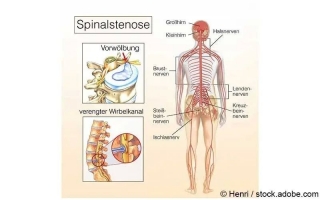
Eine Spinalkanalstenose ist eine Rückenmarkskanalverengung, die sich durch Rückenschmerzen oder Taubheitsgefühle bemerkbar machen kann...