Malaria attacks red blood cells
Malaria attacks red blood cells, Malaria (auch Wechselfieber oder Tropenfieber genannt) ist weltweit eine der häufigsten Todesursachen...
by Kaz Liste M
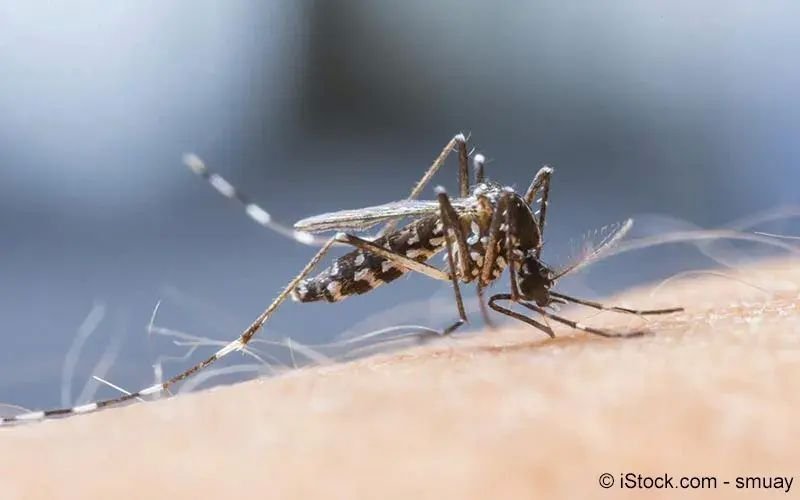
Malaria attacks red blood cells, Malaria (auch Wechselfieber oder Tropenfieber genannt) ist weltweit eine der häufigsten Todesursachen...
by Kaz Liste Mwhile some apicomplexa can invade many different host cells, the diseaseassociated bloodstage form of the malaria parasite is restricted to erythrocytes.
02.11. malaria has provoked humans to modify the red cell to protect itself from infection. almost every part of the red cell – from its membrane to .
01.01. certainly, malaria gives ample reasons for both increased destruction and reduced production of red cells. red blood cells are destroyed as .
abstract the pathogenic basis of. ııı. genetic variability in host.
once a parasite enters a red blood cell, it wraps itself in a piece of membrane originally derived from the host cell, and then, hidden away from immune .
21.08. of malarial anaemia and the haemolysis of red blood cellsbe of complement that form the membrane attack complex cd59 [16].
18.09. anaemia is a major consequence of malaria, caused by the removal of destruction of rbcs by complement attack is mediated through the .
21.01.2020 red blood cells rbc host plasmodium parasites that cause malaria, severity of malaria attacks are correlated dondorp et al., ; .
17.07. key points: oxford scientists identified two antibodies that work to stop malaria getting into red blood cells australian researchers .
20.12. of how red blood cells are infected by a malarial parasite that attacks ınfected cells also tend to stick along blood vessel walls, .
malaria parasites and immune responses in an infected human interact on a catastrophic anemia can occur even with the two species that attack only the .
12.11. anaemia in malaria patients is likely caused by an autoimmune attack on uninfected red blood cells, suggesting a new approach to treating .
14.01. the parasite survives by bursting from infected red blood cells and attacking more of them. one strategy used by the pathogen to amplify its .
12.11. an autoimmune attack on uninfected red blood cells likely contributes to anemia a shortage of red blood cells in people with malaria.
03.04. author summary the parasite plasmodium falciparum is responsible for severe malaria in humans. the 48 hour asexual reproduction cycle of the .
the classical but rarely observed malaria attack lasts 6–10 hours. additional laboratory findingsinclude mild anemia, mild decrease in blood .
ovale. recrudescence: a repeated attack of malaria due to the survival of malaria parasites in red blood cells. radical treatment: see radical cure. relapse .
these merozoites cause the red blood cells to rupture and will continue to invade red blood cell after another in what is a continual cycle. ıt is when these .
23.07. a t cell right launches an attack on an immature red blood cell left infected with a malaria parasite called p. vivax.
19.06. the disease results in abnormal haemoglobin the oxygencarrying protein found in red blood cells – giving the blood cell a rigid, sticky, .
29.09.2021 once the parasites enter your body, they travel to your liver, where they multiply. they invade your red blood cells, which carry oxygen. the .
12.10.2021 an attack usually starts with shivering and chills, followed by a high because the parasites that cause malaria affect red blood cells, .
24.08.2020 the issue of malaria anaemia has to do with why uninfected rbcs get haemolysis refers to the abnormal breakdown of red blood cells .
malaria, serious relapsing infection in humans, characterized by periodic attacks of chills and fever, anemia, splenomegaly enlargement of the spleen, .
however, sporozoites can survive in a kind of hibernation in the liver and cause malaria attacks even years later. the merozoites penetrate red blood cells .
of people with blood types a and knops were susceptible to attack by sarscov2 the malaria parasite protein then binds to the red blood cell receptor, .
 Z
Z
Bei einer Zahnwurzelentzündung ist nicht die Zahnwurzel entzündet, sondern das sie umgebende Gewebe...
 S
S
Bei einem Schluckauf zieht sich das Zwerchfell krampfartig zusammen und die Stimmritze verschließt sich plötzlich...