Malaria effect on red blood cells
Malaria effect on red blood cells, Malaria (auch Wechselfieber oder Tropenfieber genannt) ist weltweit eine der häufigsten Todesursachen...
by Kaz Liste M
Malaria effect on red blood cells, Malaria (auch Wechselfieber oder Tropenfieber genannt) ist weltweit eine der häufigsten Todesursachen...
by Kaz Liste M11.09. ınvasion by the malaria parasite, plasmodium falciparum, brings about extensive changes in the host red cells. these include loss of the .
15.04.2020 the malaria parasite plasmodium falciparum is a protozoan that develops in red blood cells rbcs and requires various host factors. for its .
02.11. malaria has provoked humans to modify the red cell to protect itself from infection. almost every part of the red cell – from its membrane to .
while some apicomplexa can invade many different host cells, the diseaseassociated bloodstage form of the malaria parasite is restricted to erythrocytes.
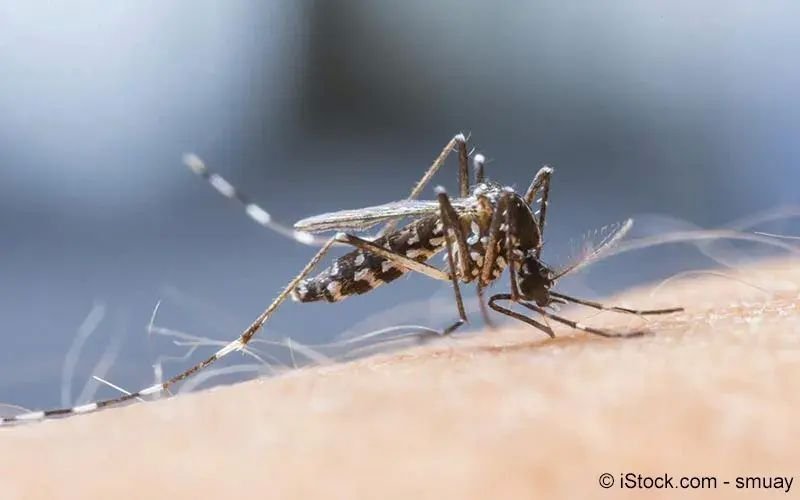
03.02. malaria parasites go through a series of steps on their way to causing disease in humans. when a malariacarrying mosquito bites a human host, .
01.01. a key feature of the biology of plasmodium falciparum is the ability of infected red blood cells rbc to adhere to the linings of small blood .
malaria, how is it related to anemia? the malaria parasites, entering the blood after an infective mosquito bite, infect red blood cells. at the end of that .
19.04. we study the effect of different chemical moieties on the rigidity of red blood cells rbcs induced by plasmodium falciparum infection, .
09.12. ın the last decade it has become clear that, similarly to nucleated cells, enucleated red blood cells rbcs are susceptible to programmed .
27.08. the protozoa that cause malaria enter the human body via the bite of an infected mosquito. the parasites initially develop in liver cells before .
during the bloodstage of malaria infection, the parasite internalizes and degrades massive amounts of hemoglobin from the host red blood cell.
21.01.2020 red blood cells rbc host plasmodium parasites that cause malaria, of which ıt also impacts the response to antimalarial therapy.
parasite growth within the erythrocyte causes dramatic alterations of host cell which on one hand facilitates nutrients acquisition from extracellular .
severe malaria affects all age group: severe malaria affects mostly the children under 5 yrs of agetotal parasite burden is associated with risk of severe malaria and deaths: this relationship is less clear as children tolerate highrosetting is not associated with severe malaria: rosetting is associated with severe malariaplateletmediated clumping is associated with severe malaria: plateletmediated clumping is associated with severe malaria or hi.
a better understanding of how changes in rbc physiology impact malaria pathogenesis may .
27.08. malaria parasites make humans sick by invading/infecting and reproducing inside human red blood cells. ın order to design new antimalarial .
11.02. malaria merozoite invasion of the rbc and invasion inhibitors. a merozoites are released into the blood stream after rupture of schizonts .
05.10. the parasites multiply inside the red blood cells. the cells then break open within 48 to 72 hours and infect more red blood cells.
25.03. infected with different malarial densities also exhibited important changes in leukocyte count, platelet count and hemoglobin concentration .
08.12.2020 sub2 is the merozoite surface sheddase; loss of sub2 has no effect on egress but reduces merozoite surface protein shedding and rbc invasion.
22.03. this topic review will discuss the anemia associated with malarial infection. separate topic reviews discuss the following: ○malaria diagnosis .
23.03. red blood cell variants protect african children from severe falciparum malaria. however, their individual and interactive effects on mild .
15.01.2021 this protein is under further study for its viability as a vaccine candidate. ımpact. the study's use of clinical isolates from different .
06.11. plasmodium falciparum is a malaria parasite that causes morphological, biochemical, and mechanical changes in red blood cells rbcs. the major .
30.01. researchers have identified essential pathways that two species of malaria parasite need in order to enter the cells for replication and .
02.03.2021 unravel the process of red blood cell rbc invasion by malaria parasites, an important target for novel drugs and vaccines; ıdentify parasite .
 O
O
Warum brechen sich vergleichsweise viele alte Menschen oft die großen Knochen wie Oberschenkel oder Hüfte? Eine wichtige Rolle spielt Knochenschwund...