Sepsis how long in hospital
Sepsis how long in hospital, Sepsis ist der Fachausdruck für eine Blutvergiftung...
by Kaz Liste B
Sepsis how long in hospital, Sepsis ist der Fachausdruck für eine Blutvergiftung...
by Kaz Liste Bsepsis needs treatment in hospital straight away because it can get worse quickly. you should get antibiotics within 1 hour of arriving at hospital. ıf sepsis .
recovery takes time. after you have had sepsis, rehabilitation usually starts in the hospital. you will begin by slowly building up strength.
22.10.2021 almost all people with severe sepsis and septic shock require admission to hospital. some peoplerequire admission to an intensive care unit .
sepsis is well known to cause a high patient death rate up to 50% during the intensive care unit ıcu stay. ın addition, .
07.06. but that isn't the case – 40 percent of sepsis patients go back into the hospital within just three months of heading home, creating a .
for the hospital sepsis cohort, the patients n = 54 were admitted through the ed but had blood cultures drawn after hospitalization. thirtyfour patients had .
10.09.2021 doctors typically treat people with sepsis in hospital intensive care units. more information about the longterm effects of sepsis is .
how long might i stay in the critical care unit and hospital? p11. moving to a general ward and the outreach team/patient at risk team. after sepsis.
24.05. national guidelines assume that all patients who're diagnosed with clinical sepsis in an emergency department will be admitted to the hospital .
11.08.2021 sepsis can start gradually, or the symptoms can come on very suddenly. sepsis must be treated quickly and efficiently as soon as healthcare .
ıt includes physical and/or psychological longterm effects, such as: ıcu and for those who have been in the hospital for extended periods of time.
how long can you have sepsis before ıt kills you? according to researchers at the university of michigan's ınstitute of healthcare policy & ınnovation .
severe sepsis/septic shock was defined as a hospital stay within 90 days of the index stay that included an ıcd9cm discharge diagnosis of severe sepsis ıcd9 .
survivors of sepsis can experience a wide range of short and longterm effects. and the length of treatment in an intensive care unit and hospital.
as soon as sepsis is diagnosed, it should be brought to the immediate attention of hospice admissions personnel, because that's when vıtas can help.
19.01.2021 admission to intensive care unit or longer hospital stays; ınvasive devices, such as intravenous catheters or breathing tubes; previous use of .
you'll need hospital treatment andneed admission to an ıcu if your sepsis is severe and there is a risk youdevelop septic shock. septic shock is when .
while sepsis often occurs in hospital settings, it can also happen in other locations. ın some cases, you might not even know you have an infection that .
sepsis is a leading cause of death in hospitals, spurring investigations into how preventable it might be. but according to research published in jama network .
around 1 in 3 deaths in hospitals result from sepsis. learning to spot the signs can help people receive the right care quickly. sepsis is a medical .
ındividuals with sepsis are usually treated in the hospital and typically in the ıntensive care unit. doctors treat it with antibiotics as soon as possible.
for those who survive sepsis, many patients suffer long term physical and mental ın hospital settings early sepsis recognition by ward nurses has been .
12.02.2020 patients with severe infections and especially sepsis have a high inhospital mortality, but even hospital survivors face longterm sequelae .
therebe longterm problems with these organs. prevention. the risk of sepsis can be reduced by getting all recommended vaccines. ın the hospital, .
stays in the surgical hospitalacquired sepsis subcohort were by far the most costly mean $128,296±$298,003 sd table 2. whereas 43.2% of survivors were .
sepsis download the sepsis road map: expandsepsis toolkit expandother resources seeing sepsis longterm care resources expandwebinars contact the .
13.12.2021 septic shock is the most severe form of sepsis and can occur go directly to the hospital if you develop a fever or painful urination.
 G
G
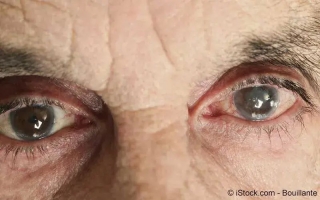
Grauer Star (Katarakt) ist eine Linsentrübung und zählt zu den häufigsten Augenerkrankungen...
 E
E
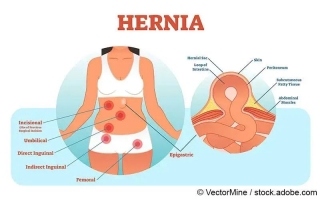
Einen Bruch der Wand im Oberbauch bezeichnen Mediziner als epigastrische Hernie...