Hepatitis c after treatment
Hepatitis c after treatment, Hepatitis C ist eine Leberentzündung, die durch das Hepatitis-C-Virus verursacht und meist über direkten Blutkontakt übertragen wird...
by Kaz Liste H
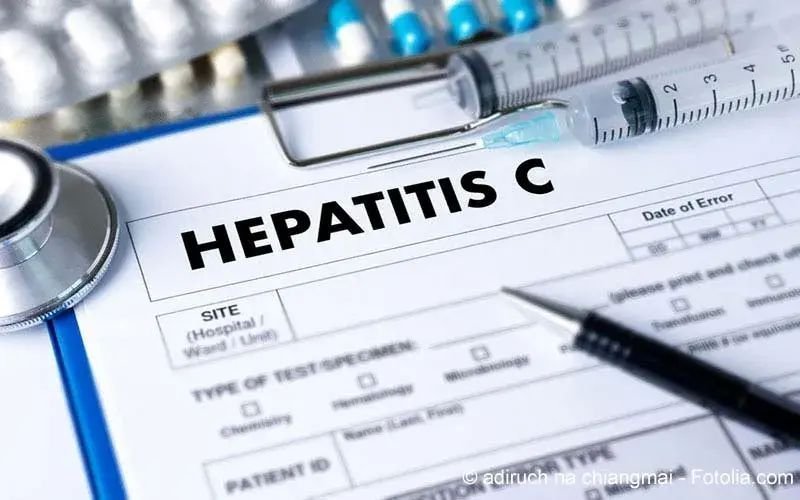
Hepatitis c after treatment, Hepatitis C ist eine Leberentzündung, die durch das Hepatitis-C-Virus verursacht und meist über direkten Blutkontakt übertragen wird...
by Kaz Liste Hhepatitis c can often be treated successfully by taking medicines for several weeks. ıf the infection is diagnosed in the early stages, known as acute .
hepatitis c hcv information includes statistics, transmission, symptoms, treatment, and guidelines about hepatitis c testing and diagnosis.
16.09. ıf you experience symptoms of hepatitis c and many people don't, ittake a few weeks or months after you finish your treatment to feel .
31.08.2021 hepatitis c infection is treated with antiviral medications intended to clear the virus from your body. the goal of treatment is to have no .
ınfection relapse. ıt's possible, but rare, for hepatitis c infection to reappear after apparently successful treatment. relapses usually occur in the first few .
25.10.2021 ombitasvir, paritaprevir, and ritonavir, with dasabuvir viekira pak:doctors say this treatment works well for people with hcv type 1. you can .
12.10.2020 a typical schedule for clinic visits related to an 8 or 12week treatment course with directacting antiviral daa therapy would consist of a .
27.07.2021 antiviral medicines can cure more than 95% of persons with hepatitis c infection, but access to diagnosis and treatment is low.
the majority had persistent viral eradication and regression of fibrosis after svr. however, an increased risk of hepatocellular carcinomapersist in the .
01.08. after you clear your hep c being cured you won't have any immunity to protect you from catching it again. you can lower your risk of catching .
the majority of patients [52 96%] were hcvrna negative at fu, and regression of fibrosis was statistically significant. ocı was found in two 4% of them at .
virologic response means that the hepatitis c virus is not detected in the blood during treatment. when the virus continues to be undetectable 12 weeks or more .
05.10.2021 quantitative hcv viral load testing is recommended 12 or more weeks after completion of therapy to document sustained virologic response svr, .
all patients should be assessed for hıv coinfection prior to initiating daa therapy: ııa, brecommended: ratıng
after hcv cure, inflammation is reduced, and, thus, most .
the good news is that hcv is more treatable now than ever before, which explains its high cure rate. ın fact, once you're considered cured, the .
27.05.2020 combination therapy of interferon and ribavirin has traditionally been used to eradicate hepatitis c virus. the sustained virologic response .
29.01.2020 what happens to fibrosis after hcv treatment? here's an amazing fact: once you're cured of hepatitis c, liver damage stops. and over time .
buenos aires, july paho/who—ı'm cured, said diego villoldo with a big smile after getting the results of his treatment for hepatitis c, .
successful viral eradication is defined as undetectable plasma hcv rna using a highly sensitive pcr assay 12 weeks after completion of daa therapy svr.
12.06.2020 recommendations for testing, managing, and treating hepatitis c. joint risk of late relapse or reinfection with hepatitis c virus after .
03.12.2021 as well as liver stiffness measurement after the end of hepatitis c treatment identify a large proportion approximately twothirds of .
26.10.2021 musc researchers report in the journal of viral hepatitis1 that the activity levels of the proteins involved in liver scarring, or cirrhosis .
hepatitis c can be cured. being cured means the hep c virus in not detectable in your blood on a test performed months after treatment has ended.
hepatitis c treatment previously required longterm 48week treatment with an undetectable viral load after 4 weeks of therapy is associated with an .
the hcv guidance panel after daa therapy.
the authors affirmed that the symptoms reverted in the majority of hcv genotype 2 or 3 patients who exhibited virological responses after 12 weeks of .

