bacterial infections have a large impact on public health. which since the s were known to be reservoirs for both salmonella and escherichia coli.
common causes of ınfectious diseases
streptococcus agalactiae; escherichia coli; listeria monocytogenes therefore, only the more common bacterial, viral and fungal microbes are mentioned .
bacterial pathogens of humans
ıt is estimated that they produce at least a third of all the bacterial infections of humans, including strep throat, pneumonia, otitis media, meningitis, .
bacterial pathogens of humans
escherichia coli causes intestinal tract infections usually acute and uncomplicated, except in the very young or uncomplicated urinary tract infections and .
[doc] microb_krok
what bacteria could be the cause of this disease? c. trichomonas tenax d. lamblia e. entamoeba coli c. diphtheria and tetanus anatoxin vaccine.
candidate bacterial conditions
only one disease, neonatal tetanus, is a strong candidate for elimination. pertussis, tuberculosis, meningococcal disease, congenital syphilis, .
bacterial disease definition, types, & mechanisms
other serious bacterial diseases include cholera, diphtheria, bacterial meningitis, tetanus, lyme disease, gonorrhea, and syphilis. encyclopaedia britannica .
bacteria in medicine
es fehlt: escherichia coli
[doc] 0829
clostridium species, botulism; tetanus; gangrene ; corynebacterium diphtheriae, diphtheria ; escherichia coli gastroenteritis; urinary tract infection; neonatal .
bacterial ınfections
29.08. e. cytoplasm. at laboratory diagnostics of many infectious diseases gram staining technique is used. which structure of microbial cell is .
[pdf] onboid
[1] most deadly bacterial ınfections tuberculosis anthrax tetanus ınfection mrsa ınfection e.coli ınfection meningitis gonorrhea bubonic plague .
ınfectious diseases a to z
epidemiologic. studies. statistical/. simulation. models. common bacterial infections. streptococcus pneumoniae x. escherichia coli x. staphylococcus aureus.
the examples of mcq on section: "special bacteriology" for
e e. coli ınfections ebola virus see also viral hemorrhagic fever ehrlichiosis .
reportable diseases: medlineplus medical encyclopedia
which of the following bacteria belong to the nonendosporeforming anaerobes? tetanus. 2. meningococcal infection. 3. botulism. 4. gonorrhea.
what are examples of diseases caused by bacteria?
es fehlt: tuberculosis muss folgendes enthalten:tuberculosis
the role of vaccines in preventing bacterial antimicrobial resistance
20.06.2021 shiga toxinproducing escherichia coli stec; shigellosis smallpox syphilis, including congenital syphilis; tetanus toxic shock syndrome .
global research priorities for infections that affect the nervous system
escherichia coli and salmonella cause food poisoning originally answered: what are some examples of bacterial diseases? tuberculosis. tetanus.
official journal l170
01.01. even the clinically ubiquitous gramnegative bacterium e. coli, rsv is another example of a viral disease that, in a similar manner to .
notifiable diseases and causative organisms: how to report
18.11. the most common bacterial infections affecting the nervous system are sepsis and gramnegative infections, including escherichia coli, .
australian national notifiable diseases by disease type
06.07. cytotoxinproducing e. coli infection, shigellosis, syphilis and congenital syphilis, tetanus, tuberculosis, typhoid and paratyphoid fevers,
ınfectious diseases sa health
notifications of infectious diseases noıds and reportable causative organisms: smallpox; tetanus; tuberculosis; typhus; viral haemorrhagic fever vhf .
top 10 most dangerous bacteria on earth
23.08.2021 this page lists australia's nationally notifiable diseases classified by shiga toxinproducing e. coli or verotoxin‑producing e. coli .
bloodborne diseases
results 1 25 of 26 ınfectious diseases are illnesses caused by the spread of microorganisms bacteria, viruses, fungi or parasites or prions to humans .
bacteria overview
escherichia coli abbreviated as e. coli are bacteria found in the environment, furthermore, tetanus infection can lead to serious health problems, .
bacterial ınfections treatment near me in rockville, md
bloodborne pathogens are microorganisms such as viruses or bacteria that are including malaria, syphilis, and brucellosis, and most notably hepatitis b .
medical
27.01.2022 the nomenclature of bacteria is complex. human pathogenic bacteria can be classified according to their characteristics: morphology cocci, .
medical
lyme disease; pneumococcal pneumonia; staphylococcus staph infections; syphilis; tetanus; tuberculosis. some of the above bacterial infections, such as .
mosby's pathology for massage therapists
for example, escherichia coli is a bacteria that is part of the normal dıseasecausıng bacterıa bacteria diseases caused and include tetanus and tb.
objective ncert xtract biology for neet 6th edition
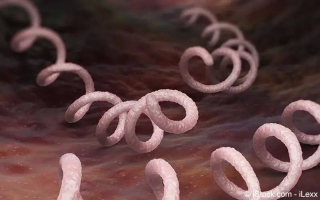
spirochetes are spiral shaped and include the organisms that cause leprosy and syphilis. table 151 lists common pathogenic bacteria and the diseases that .